Wahoo, Barracuda & Tuna Caught in Miami
Offshore Fishing in Miami - What to Expect

Fishing Charter by Captain Daniel Ramos in December
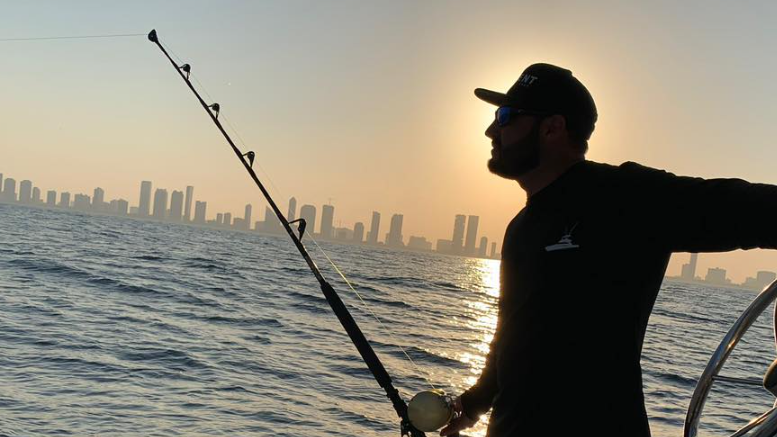
- Explore Miami’s Best Deep Sea Fishing Spots


Summary
Join a fishing charter in Miami on a Tuesday in August for an unforgettable day pursuing wahoo, great barracuda, and yellowfin tuna. Captain Daniel Ramos of Blue Dream Fishing delivers expert-guided fishing experiences targeting premium offshore species in Florida's prime fishing grounds.
Fishing Charter with Daniel Ramos - Rates & Booking
Captain Daniel Ramos of Blue Dream Fishing operates offshore fishing charters from Miami, specializing in pursuing some of Florida's most sought-after game fish. On this August Tuesday, his expertise and local knowledge put clients on wahoo, great barracuda, and yellowfin tuna - three of the region's most exciting catches. Each species presents its own challenge and reward, from the aggressive strikes of wahoo to the explosive power of tuna. For booking details and to reserve your charter, contact Blue Dream Fishing directly to customize your offshore fishing experience.
Highlights of Miami Offshore Fishing
The waters off Miami offer consistent access to premium saltwater species. Wahoo are aggressive predators known for their lightning-fast strikes and acrobatic fights. Great barracuda demonstrate raw power and require skillful rod handling. Yellowfin tuna represent the pinnacle of offshore fishing challenges, capable of taking hundreds of yards of line at blistering speeds. This combination of species in one day showcases the incredible biodiversity and fishing potential Miami delivers to serious anglers.
Captain Ramos positions his charter to target structure, depth changes, and temperature breaks where these species congregate. The mix of catches reflects strategic planning and real-time adjustments based on conditions, tides, and seasonal movements of each species.
Local Species Insights: Wahoo, Barracuda & Tuna
Miami's offshore ecosystem supports three of the Atlantic's most dynamic game fish, each with distinct characteristics and behaviors.
Wahoo inhabit the same deep waters and reef systems as tuna and larger pelagics. These sleek, streamlined hunters are built for speed, capable of bursts exceeding 50 mph. They respond aggressively to trolled lures and live bait presentations. Their powerful jaws and sharp teeth make them formidable opponents on the line. Wahoo typically weigh 30-80 pounds in Florida waters, though larger specimens exist. They're found year-round but peak during cooler months and transition periods.
Great barracuda are ambush predators that hunt aggressively along reefs, drop-offs, and open water. Their elongated bodies, powerful jaw muscles, and rows of razor-sharp teeth make them instantly recognizable and deeply respected by anglers. Barracuda strike decisively and fight with explosive runs and headshakes. They range from 10 pounds to well over 100 pounds in South Florida. Their territorial behavior and competitive nature create exciting, unpredictable fishing scenarios.
Yellowfin tuna represent the endurance challenge of offshore fishing. These muscular, torpedo-shaped fish cruise at significant depths and speeds. Yellowfins exhibit incredible stamina, often requiring extended fighting time to land. They're built for sustained power rather than short bursts, making them physically demanding opponents. Adult yellowfin in Florida average 50-150 pounds, with larger specimens reaching 200+ pounds. They school with skipjack and bigeye tuna, often responding to live bait, chunked offerings, and perfectly placed casts.
The offshore environment where these species congregate features deep blue water, significant depth changes, and complex current systems. Successful fishing requires understanding how each species responds to environmental conditions, time of day, and seasonal movements. Captain Ramos's local expertise translates this knowledge into consistent fishing opportunities and the incredible mixed catches that make Miami a premier offshore destination.
Fishing in Miami: Yellowfin Tuna, Great Barracuda and Wahoo Fish
Yellowfin Tuna Overview
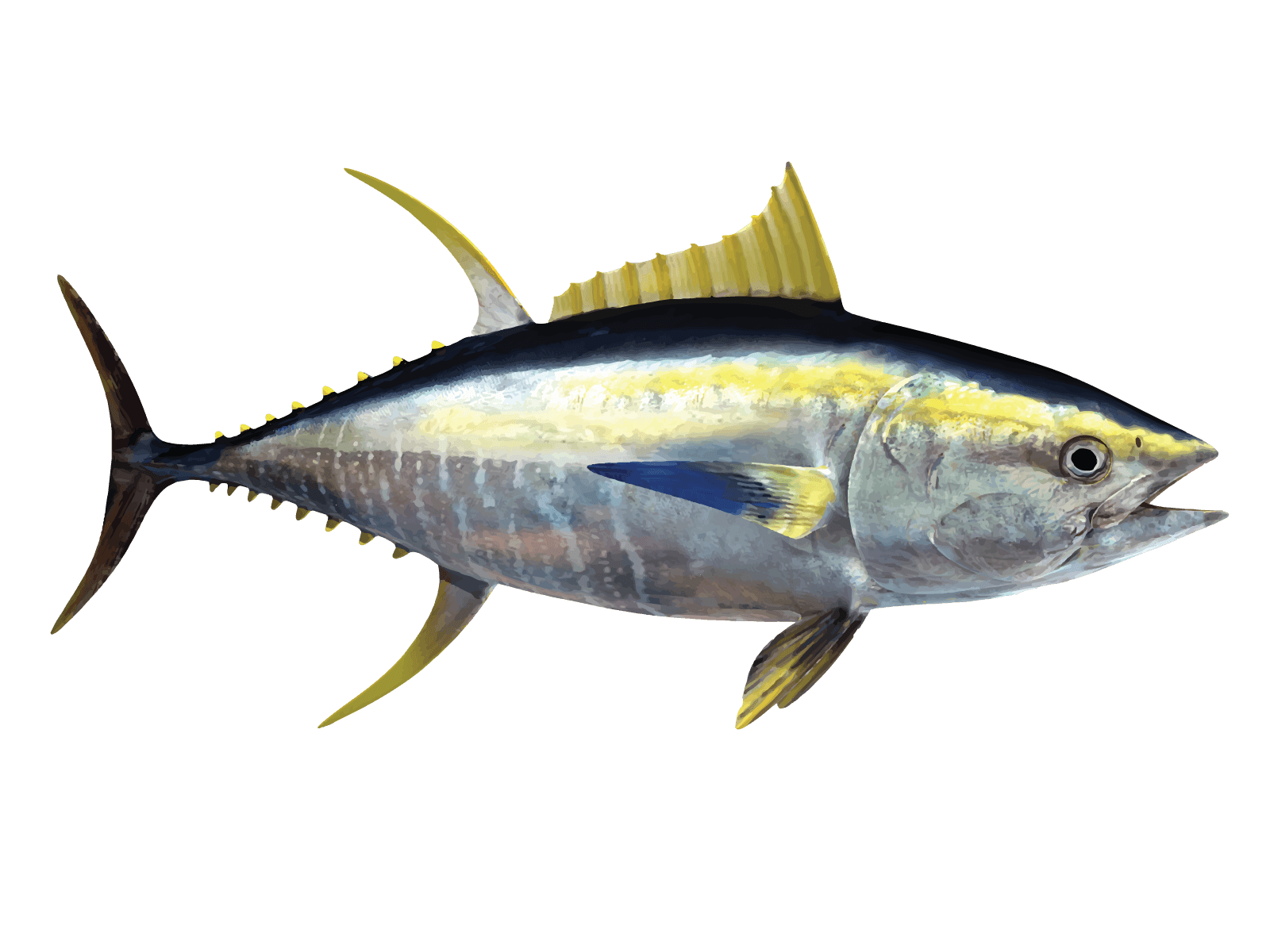
The Yellowfin Tuna, scientifically known as Thunnus albacares, belongs to the family Scombridae and order Perciformes. This stunning pelagic fish is instantly recognizable by its brilliant yellow coloring on the tail, dorsal fin, and anal fin, contrasting beautifully with its dark metallic blue back and silver belly. Often called "Ahi" in Hawaiian and Japanese culinary circles, the Yellowfin is a warm-blooded powerhouse that commands respect among offshore anglers and seafood enthusiasts alike. Found throughout tropical and subtropical oceans worldwide, this species represents one of the most exciting and rewarding catches available to modern sport fishermen, offering both the thrill of the fight and the exceptional quality of the final meal.
Yellowfin Tuna Habitat and Distribution
Yellowfin tuna thrive in tropical and subtropical waters across the Pacific, Indian, and Atlantic Oceans, with populations ranging as far north as Massachusetts during summer months. These highly migratory fish are typically found in the upper 330 feet of the water column, known as the pelagic zone, where they cruise in search of prey. They concentrate in areas with rich baitfish populations and favorable water temperatures, often congregating around underwater structures, continental shelves, and areas of upwelling. In the United States, significant populations support fisheries along the coasts of California, the Carolinas, and throughout the Gulf of Mexico, making these regions prime destinations for anglers pursuing this species year-round.
Yellowfin Tuna Size and Weight
Yellowfin tuna display impressive size ranges that vary by population and age. While these fish can reach massive proportions—with some specimens exceeding 440 pounds—most recreational anglers land fish in the 40 to 150-pound range, with a typical catch weighing around 60 pounds. The body length typically ranges from 27 to 94 inches, giving anglers a wide spectrum of potential encounters. Younger fish may be significantly smaller, while truly trophy specimens are rare enough to be celebrated throughout fishing communities. The size variation means that anglers of different skill levels and tackle preferences can find appropriate challenges, whether targeting schooling smaller fish or pursuing the elusive giants that define offshore angling dreams.
Yellowfin Tuna Diet and Behavior
Known colloquially as "spawning and eating machines," Yellowfin tuna are aggressive predators with insatiable appetites that drive their constant activity throughout the water column. These fish primarily feed on smaller baitfish including herring, menhaden, blue runners, anchovies, and other small schooling species, constantly hunting and feeding throughout daylight hours. Their warm-blooded physiology—maintained by a specialized meshwork of tiny blood vessels called a rete mirabile around their muscles—allows them to maintain elevated body temperatures and operate effectively in cooler waters, giving them a significant metabolic and performance advantage over cold-blooded competitors. This warm-bloodedness enables their legendary speed of up to 50 miles per hour, making them explosively fast predators. Behaviorally, they are known for their explosive strikes, often erupting from the depths to annihilate surface lures and baits with tremendous force and energy.
Yellowfin Tuna Spawning and Seasonal Activity
Yellowfin tuna exhibit distinct spawning periods that vary by geographic region. In the Gulf of Mexico, these fish spawn from May through August, while populations in the southeastern Caribbean extend their breeding season from July through November. Outside these spawning windows, Yellowfin remain active year-round in their respective ranges, though seasonal movements and migration patterns influence their availability to anglers in specific locations. Their highly migratory nature means that understanding local seasonal patterns is essential for consistent fishing success. Many anglers time their offshore trips to coincide with peak activity periods when fish concentrate in traditional feeding and spawning grounds, increasing encounter rates and strike opportunities.
Yellowfin Tuna Techniques for Observation and Capture
Trolling and Spread Fishing: Setting up a productive trolling spread is the cornerstone technique for offshore Yellowfin pursuit. Anglers should rig ballyhoo, skirted trolling lures, cedar plugs, and spreader bars at varying depths and distances behind the vessel. This method covers significant water and allows fishermen to present multiple lure profiles and colors simultaneously. The key is maintaining proper boat speed—typically 7 to 12 knots depending on lure selection—and adjusting spread configuration based on water conditions and fish activity. Around popular offshore destinations, experienced charter captains can deploy productive spreads within 30 to 60 miles of shore where deeper water structure and baitfish concentrations attract feeding Yellowfin.
Jigging and Surface Plugging: When Yellowfin are marked on sonar at depth but showing reluctance to hit trolled offerings, switching to vertical jigging with metal jigs or soft plastics often triggers strikes. Cast jigging with topwater plugs represents perhaps the most thrilling approach—nothing compares to witnessing a Yellowfin explode through the surface to annihilate a popper or stick bait in a shower of spray and fury. This technique requires vigilance and quick reflexes but rewards anglers with heart-pounding encounters and memorable strikes that define offshore fishing stories.
Chunking and Live Bait: This proven technique involves chopping fresh baitfish and casting chunks overside to create an enticing slick that draws Yellowfin upward from deeper water. Match your chunking bait to what the fish are feeding on locally—herring, menhaden, and anchovies are consistently effective options. Live bait presentations using similar species on appropriate tackle can also produce excellent results, particularly when fish are feeding actively during dawn and dusk periods.
Yellowfin Tuna Culinary and Utilization Notes
The Yellowfin tuna holds exceptional status in both recreational and commercial fisheries for its outstanding culinary qualities. Known as "Ahi" in Japanese cuisine, this species ranks as a premier sushi and sashimi fish, prized for its firm texture and rich flavor profile. While Bluefin tuna commands premium prices at high-end restaurants due to its superior fat content, Yellowfin delivers exceptional quality at a fraction of the cost, making it the intelligent choice for seafood lovers and home chefs seeking excellent value and availability. The meat grills beautifully, maintaining firm texture and developing wonderful caramelization when seared properly, and it's equally delicious as poke, ceviche, or grilled steaks. Nutritionally, Yellowfin provides excellent protein, omega-3 fatty acids, and essential minerals, making it not only delicious but genuinely good for you. The species' sustainable availability—compared to declining Bluefin populations—makes it an environmentally conscious seafood choice that supports healthy ocean ecosystems.
Yellowfin Tuna Frequently Asked Questions
Q: What is the best bait and tackle setup for catching Yellowfin tuna?
A: Success with Yellowfin requires robust tackle rated for 30 to 80-pound class depending on target size, matched with fresh baitfish such as ballyhoo, mackerel, herring, or menhaden. Live bait presentations often outperform dead offerings, though rigged ballyhoo and skirted trolling lures remain highly effective and more convenient for extended offshore trips. Match your equipment to expected fish size and sea conditions.
Q: Where can I find Yellowfin tuna near major fishing destinations?
A: Yellowfin populations support fisheries throughout offshore waters of California, Hawaii, Florida, the Carolinas, and the Gulf of Mexico. Offshore structures, continental shelves, and areas 30 to 100 miles from shore typically hold productive concentrations. Charter boats operating from major fishing ports provide expert local knowledge about current productive zones and migration patterns.
Q: Is Yellowfin tuna good to eat and how should it be prepared?
A: Absolutely—Yellowfin ranks among the world's finest food fish. The flesh is firm, relatively lean compared to Bluefin, with mild to moderate flavor that accepts diverse preparation styles beautifully. Raw preparations like sushi and poke showcase delicate qualities, while grilling, searing, and smoking applications highlight the meat's versatility and appeal.
Q: When is the best season to catch Yellowfin tuna?
A: Yellowfin remain catchable year-round in most offshore regions, though seasonal peaks vary by location. Summer months typically bring increased activity and availability in northern waters, while tropical and subtropical zones maintain consistent populations. Research your specific target region's seasonal patterns or consult local charter operators for optimal timing.
Q: How fast can Yellowfin tuna swim and what makes them so powerful?
A: These remarkable fish reach speeds exceeding 50 miles per hour, powered by their warm-blooded physiology maintained through a specialized rete mirabile blood vessel system. This warm-bloodedness enables elevated muscle temperatures, enhanced oxygen utilization, and the explosive power that makes Yellowfin one of the ocean's most thrilling adversaries.
Q: What regulations should I know about when fishing for Yellowfin tuna?
A: US regulations vary by state, with season always open year-round. Some states like the Carolinas, Alabama, Louisiana, and Mississippi enforce a 27-inch curved fork length minimum, while others have no size restrictions. Bag limits similarly vary—typically 3 fish per angler per day in regulated states, with California allowing up to 10 fish of a single species within a 20-fish finfish bag limit. Always verify current regulations with your local fish and wildlife agency before your fishing adventure.
Great Barracuda Overview
The Great Barracuda (Sphyraena barracuda) is one of the ocean's most iconic apex predators, belonging to the family Sphyraenidae within the order Perciformes. Known for its sleek, torpedo-shaped body, razor-sharp teeth, and lightning-fast hunting strikes, this fish has earned both respect and a touch of mystique among anglers and ocean enthusiasts worldwide. With speeds reaching 35 miles per hour and a reputation as a tenacious fighter, the Great Barracuda offers an unforgettable experience whether you're snorkeling off the Florida Keys or casting lines along the Atlantic Coast. Despite their fearsome reputation, attacks on humans are extraordinarily rare—yet the mere possibility has cemented them as one of the ocean's most fascinating and misunderstood predators.
What makes the Great Barracuda truly special is its combination of raw power, intelligence, and unpredictable behavior. These fish are naturally curious, often approaching divers and anglers not with aggressive intent, but out of genuine interest in shiny objects or potential food sources. Their silvery, streamlined appearance allows them to blend seamlessly with open water, making them master ambush hunters that rely on sight and explosive bursts of speed to capture prey.
Great Barracuda Habitat and Distribution
The Great Barracuda thrives in tropical and subtropical waters around the globe, with populations concentrated near shore in coral reefs, seagrass beds, and mangrove systems. In the United States, they're commonly found along the entire Atlantic seaboard from Massachusetts down through the Gulf of Mexico and the Florida Keys, though they rarely venture into the eastern Pacific. These fish are particularly abundant near the surface of the water, where mature specimens patrol reef structures and rocky outcrops in search of schooling prey.
These predators are typically solitary hunters, though they occasionally form loose hunting groups to encircle and trap schools of smaller fish. During spawning season—generally occurring in spring—they aggregate in specific areas, creating temporary concentrations that attract both commercial and recreational anglers. While they prefer nearshore environments, they're known to venture into deeper open ocean when food becomes scarce, demonstrating remarkable adaptability to different marine ecosystems.
Great Barracuda Size and Weight
Great Barracudas display impressive size variation depending on age and environmental factors. Young specimens typically range from 24 inches, while mature adults average between 24 to 48 inches in length. The largest recorded specimens reach up to 79 inches (over 6.5 feet), with weights ranging from 5 pounds for smaller juveniles to an impressive 103 pounds for trophy-sized individuals. This considerable size range means that every angling encounter presents a unique challenge—hooking a young 5-pounder is exciting, but landing a 100-pound monster is an experience that defines careers.
The barracuda's slender, streamlined physique allows it to achieve remarkable speed relative to its mass, making even smaller specimens surprisingly powerful fighters that can strip line from a reel with breathtaking speed.
Great Barracuda Diet and Behavior
As apex predators, Great Barracudas are aggressive hunters that primarily feed on herrings, sardines, and small tunas, but they're opportunistic enough to consume shrimp, octopi, and virtually any marine animal small enough to fit in their mouths. They hunt primarily by sight, relying on movement and contrast to identify prey—a trait that explains their attraction to bright, shiny fishing lures and jewelry worn by snorkelers.
These fish are naturally inquisitive and territorial, often approaching unfamiliar objects to investigate. When hunting in groups, they employ sophisticated tactics, circling and trapping prey schools in coordinated patterns that showcase surprising intelligence for a fish. Their hunting style is explosive—brief, powerful bursts of acceleration that leave little time for escape. Despite their fearsome reputation, Great Barracudas rarely attack humans. The last recorded fatal attack occurred in the 1950s off Key West and North Carolina, making such incidents statistically rarer than shark encounters. Most interactions with divers and snorkelers occur out of curiosity rather than aggression, though simple precautions like removing shiny jewelry significantly reduce any theoretical risk.
Great Barracuda Spawning and Seasonal Activity
Great Barracudas typically spawn during spring months when they aggregate in specific shallow-water zones, creating peak fishing opportunities for anglers who know where to look. Their reproductive cycle drives seasonal migrations and temporary congregations that can transform a quiet reef into an angler's paradise. Outside of spawning season, they remain relatively dispersed throughout their range, though they tend to be more active during warmer months and during feeding periods tied to baitfish migrations.
Year-round presence in their native range means that opportunities exist throughout the calendar, though spring and early summer typically offer the most consistent action for both recreational and tournament anglers.
Great Barracuda Techniques for Observation or Capture
Live Bait Casting: Deploy live mullet, sardines, or herring near reef structures and drop-offs where Great Barracudas patrol. Cast along the edges of reefs and wrecks, allowing bait to swim naturally in open water where these predators hunt. Use medium-weight spinning or baitcasting gear with 20-30 pound test line, as the fish's sharp teeth can fray lighter line. Allow the fish to take the bait with minimal resistance—they're aggressive eaters that rarely hesitate once committed. Around coastal areas like Miami and Key West, live bait fished near coral formations during dawn and dusk periods produces excellent results.
Artificial Lure Retrieval: Cast shiny, high-visibility lures like chrome-plated spoons, metallic jigs, or streamer flies near structure and open water adjacent to reefs. Use aggressive, erratic retrieves that mimic injured baitfish—quick strips followed by pauses often trigger strikes from curious or hungry fish. The Great Barracuda's sight-driven hunting means that bright colors and high contrast patterns work exceptionally well. Barracudas in Key West are particularly responsive to topwater plugs during low-light conditions.
Sight-Casting to Visible Fish: When you spot individual Great Barracudas in clear shallow water, lead them with your cast and retrieve directly across their field of vision. These fish are visual hunters that can't resist movement in their peripheral awareness. Use 1-2 ounce lures that create significant water disturbance and visual appeal. This technique requires stealth and patience but rewards careful anglers with explosive, memorable strikes.
Great Barracuda Culinary and Utilization Notes
While the Great Barracuda possesses firm, white meat that's technically edible, it's rarely consumed due to the risk of ciguatera—a form of food poisoning caused by toxins accumulated in large predatory fish from tropical waters. Larger specimens (over 5 pounds) carry higher ciguatera risk, making smaller barracudas theoretically safer options, though most anglers avoid eating them entirely. The species' true value lies not in culinary application, but in recreational opportunity—anglers prize them as gamefish specifically because of their challenging fighting ability, explosive strikes, and acrobatic leaps rather than table fare potential.
The Great Barracuda's role as an apex predator makes it ecologically valuable, and most modern catch-and-release practices support sustainable populations. Tournament anglers focus on catch-and-release protocols that minimize stress and maximize survival rates.
Great Barracuda Frequently Asked Questions
Q: What is the best bait for catching Great Barracuda?
A: Live mullet, sardines, herring, and mackerel are top choices, as they mimic the natural prey species that barracudas actively hunt. Shiny metal spoons and chrome jigs also work excellently, appealing to their sight-driven feeding behavior. Cast near structure during early morning and late afternoon when feeding activity peaks.
Q: Where can I find Great Barracuda near the Florida Keys or coastal cities?
A: Great Barracudas are abundant around coral reefs, shipwrecks, and mangrove edges throughout the Florida Keys and Atlantic coastal areas. Key West reef systems, along with nearshore structures in Miami and the upper Keys, provide reliable opportunities year-round. Hire a local charter captain familiar with structure locations for optimal results.
Q: Is the Great Barracuda safe to eat?
A: While technically edible, Great Barracuda carries significant ciguatera poisoning risk, especially larger specimens over 5 pounds. Most anglers practice catch-and-release, as the species' true value is recreational. If consumption is considered, keep only very small fish and check local health advisories.
Q: When is the best time to catch Great Barracuda?
A: Spring spawning season (March-May) provides peak aggregations and aggressive feeding behavior. Summer months remain productive, and fall can be excellent depending on location. Early morning and late afternoon periods consistently outperform midday fishing, when light penetration and fish activity favor anglers.
Q: Why do Great Barracudas approach divers and snorkelers?
A: Barracudas are naturally curious and hunt primarily by sight. They investigate unusual objects and shiny items (jewelry, watches, camera equipment) as potential prey. Removing bright objects and maintaining calm behavior virtually eliminates any risk of negative encounters.
Q: How do I land a large Great Barracuda safely?
A: Use a quality landing net and wear cut-resistant gloves—those razor-sharp teeth can cause serious injury if the fish is handled carelessly. Never attempt hand-landing a large specimen. Bring the fish to the net head-first, and consider using a dehooking tool if catch-and-release is your goal. Trophy specimens over 75 pounds may attempt to jump or bite during final moments of fatigue, requiring extra caution and experience.
Wahoo Fish Overview
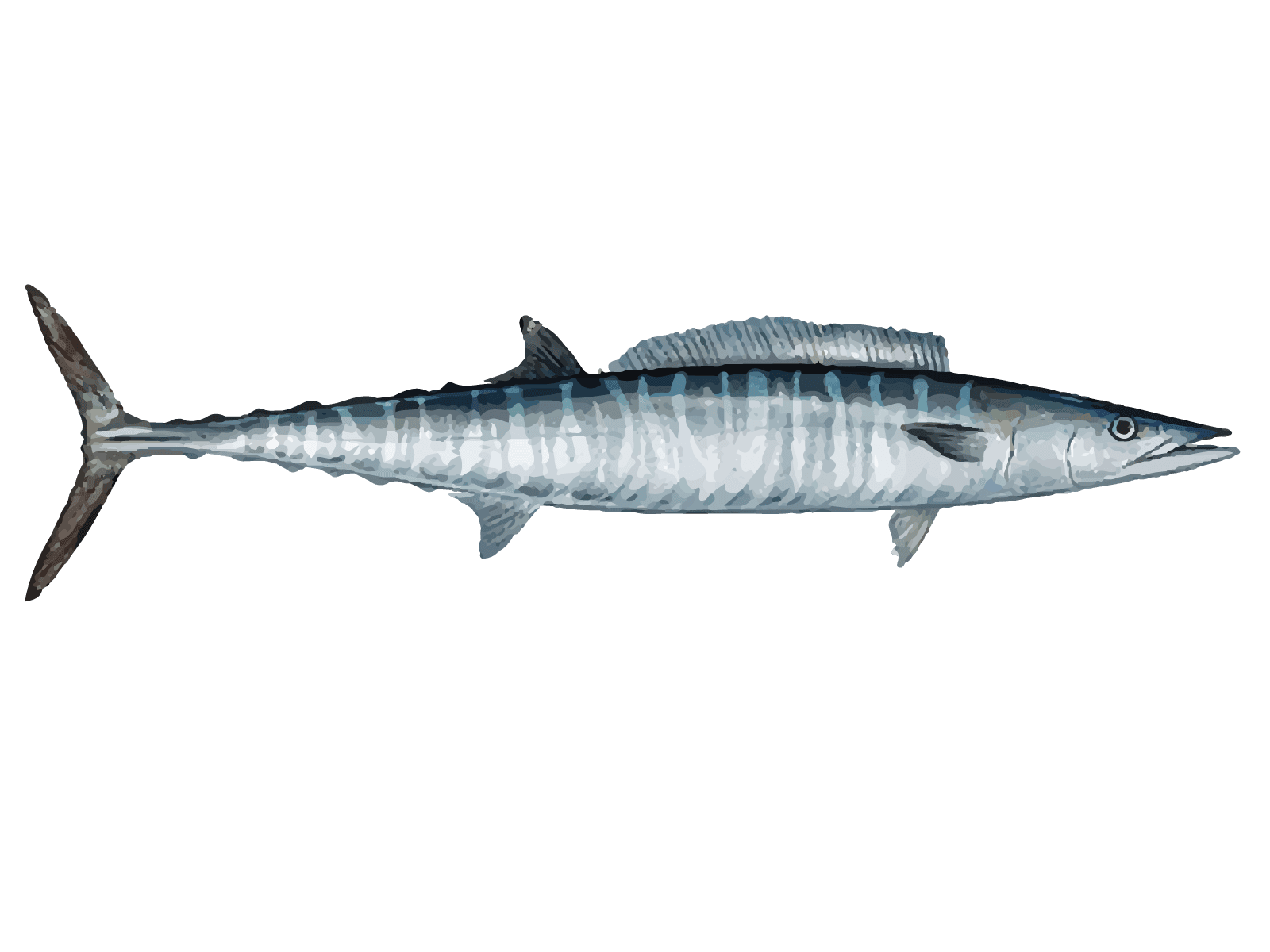
The Wahoo (Acanthocybium Solandri) is a sleek, torpedo-shaped game fish belonging to the family Scombridae and order Perciformes. Known locally in Hawaii as Ono—a Hawaiian word meaning "delicious" or "good to eat"—this fish is one of the ocean's most prized catches for sport anglers and seafood enthusiasts alike. With its distinctive shimmering blue-green back, silvery flanks adorned with zebra-like striping, and a beak-like snout lined with razor-sharp serrated teeth, the Wahoo is instantly recognizable. What truly sets this species apart is its incredible speed; it can cruise at an average of 48 mph and burst up to 60 mph, making it a thrilling opponent for any angler willing to take on the challenge in tropical and subtropical waters worldwide.
The Wahoo's colorful exterior and aggressive hunting behavior make it a favorite among sport fishermen from Florida to the Bahamas and beyond. Its high-speed pursuits and dramatic strikes create unforgettable fishing moments that keep enthusiasts returning to the water season after season.
Wahoo Fish Habitat and Distribution
The Wahoo thrives in all tropical and subtropical waters across the Atlantic, Indian, and Pacific Oceans. This pelagic open-ocean species has a widespread native range but shows fascinating migration patterns depending on seasonal water temperatures. In the North Atlantic, it becomes abundant during summer months from North Carolina and Bermuda southward, with year-round populations established in Florida and the Gulf of Mexico.
In the northern Gulf of Mexico near Port Aransas, Texas, Wahoo populations congregate around oil and gas platforms during cooler months, offering anglers excellent nearshore opportunities. The species is commonly found in waters up to 66 feet deep but frequently ventures into deeper offshore territories. While generally solitary hunters, they occasionally form small groups of 2–3 individuals and congregate in larger schools during breeding season. The Bahamas represents one of the premier destinations for Wahoo fishing, particularly between March and November when migration numbers peak. Hawaii also provides exceptional offshore and nearshore reef habitat where these fish thrive year-round but are most abundant from May through October.
Wahoo Fish Size and Weight
Wahoo fish are fast-growing predators that typically range from 3 to 5 feet in length, though documented specimens have reached impressive proportions. The minimum recorded size for sport fishing is around 8 inches, while exceptional individuals exceed 8 feet in total length. Most commercial and recreational catches fall between 15 and 50 pounds, providing an exciting balance of manageable tackle and thrilling action.
The International Game Fish Association (IGFA) All-Tackle world record stands at an astounding 184 pounds, caught in Mexico in 2005. This exceptional specimen demonstrates the species' potential to reach truly trophy proportions. The maximum documented length is approximately 100 inches, making large Wahoo a legitimate bucket-list catch for serious anglers pursuing heavyweight game fish.
Wahoo Fish Diet and Behavior
As apex pelagic predators, Wahoo possess remarkably diverse and aggressive feeding habits. Their diet consists of squid, various tuna species, little tunny, porcupine fish, flying fish, dolphinfish, jacks, herring, pilchards, scad, frigate mackerel, butterfish, lantern fish, and numerous other pelagic prey species. This dietary flexibility reflects their status as successful hunters perfectly adapted to open-ocean conditions.
Wahoo are ambush predators that use their incredible speed to chase down prey with explosive acceleration. Their streamlined, spindle-shaped bodies and exceptional endurance make them nearly unstoppable once they commit to a strike. Unlike many fish species, Wahoo cannot regulate their body temperature and must constantly move to maintain optimal metabolic function. This perpetual motion, combined with their aggressive feeding drive, makes them exciting targets for anglers. They are solitary or form small hunting groups but only face predation from the ocean's largest apex predators—sharks and billfish—due to their speed and size. Upon capture or death, their vibrant colors fade remarkably quickly, a phenomenon that fascinates anglers and marine enthusiasts alike.
Wahoo Fish Spawning and Seasonal Activity
Wahoo reproduce through broadcast spawning, a reproductive strategy where females simultaneously release millions of eggs while males discharge sperm into the water column. This synchronized spawning approach dramatically increases fertilization success rates while reducing predation on vulnerable eggs. Females can produce several million eggs annually, and this extraordinary reproductive capacity combined with their accelerated growth rate has safeguarded the species from overfishing pressures.
The Wahoo maintains a year-round spawning season primarily concentrated in Florida and Caribbean waters, with peak activity occurring during warmer months. Adults reproduce multiple times throughout the year, ensuring consistent population replenishment. In Florida, Wahoo abundance peaks from July through November, making these months ideal for targeting this species in Atlantic and Gulf Coast waters. The Bahamas experience peak migration and spawning activity between March and November, while Hawaiian waters see peak fishing from May through October, correlating with warmer water temperatures and optimal feeding conditions.
Wahoo Fish Techniques for Observation and Capture
High-Speed Trolling Method: High-speed trolling at 12–15 knots using a 4–6 lure spread is the most effective technique for targeting Wahoo. Anglers should employ a fast trolling rig featuring a 30–50 wide reel spooled with wire leaders, since Wahoo teeth easily slice through monofilament or fluorocarbon lines. A double braided line attached to an 80–100 pound fluorocarbon leader approximately two feet long provides optimal strength and abrasion resistance. Minnow lures, bulletheads, and plungers are proven favorites that trigger aggressive strikes. In the Gulf of Mexico near Port Aransas, Texas, focusing your high-speed trolling around offshore platforms during fall and winter months yields consistent results.
Slow Trolling and Fresh Bait Technique: For anglers preferring a slower presentation, trolling at 8–10 knots with fresh ballyhoo baited on double J-hooks combined with rubber-skirted resin head lures or diving-lipped plugs proves highly effective. This method works particularly well in nearshore reef environments where Wahoo congregate. The slower speed allows the bait to present more naturally while still maintaining the action that triggers strikes from curious predators.
Jigging and Chunking Methods: Using vertical jigs beneath floating debris or employing a chunking strategy—cutting and dispersing bait chunks to create a scent trail—effectively attracts Wahoo to your location. These techniques work especially well around reef structures and nearshore platforms where fish naturally congregate. Around Florida's offshore reefs and the Bahamas' blue water zones, jigging produces explosive topwater strikes that create unforgettable fishing moments.
Wahoo Fish Culinary and Nutritional Value
Wahoo is genuinely excellent eating and commands premium prices at seafood markets worldwide. The flesh is firm and white with a mild, slightly sweet flavor often compared to tuna, swordfish, and mahi-mahi. Its delicate flaky texture appeals to discerning palates, and the low oil content makes it ideal for those preferring leaner seafood options. Wahoo fish tacos have become legendary throughout coastal communities, showcasing the versatility of this premium game fish in culinary applications.
Nutritionally, Wahoo is an outstanding protein source, extremely lean, low in saturated fat and sodium, and rich in omega-3 fatty acids, niacin, vitamin B6, and vitamin B12. These nutrients support heart health, brain function, and overall wellness. When prepared properly—whether grilled, baked, pan-seared, or incorporated into traditional dishes—Wahoo delivers an exceptional dining experience that satisfies even the most demanding seafood enthusiasts. The species' combination of sport value, culinary excellence, and sustainability through natural high reproductive rates makes it a responsible choice for both fishing and consumption.
Wahoo Fish Frequently Asked Questions
Q: What is the best bait and tackle setup for catching Wahoo fish?
A: Wire leaders are essential since Wahoo teeth cut through monofilament and fluorocarbon easily. Use a 30–50 wide reel with 80–100 pound leaders approximately two feet long. Fresh ballyhoo, minnow lures, bulletheads, and plungers all trigger aggressive strikes. High-speed trolling at 12–15 knots with multiple lures dramatically increases your chances of connecting with these speed demons.
Q: Where can I find Wahoo fish near Florida or the Bahamas?
A: Florida offers excellent year-round opportunities, with peak abundance from July through November. The Bahamas represents perhaps the premier destination worldwide, particularly between March and November during peak migration periods. Look for nearshore reef structures, offshore platforms, and deep blue water environments. Around Port Aransas in the Gulf of Mexico, fall months produce exceptional catches near offshore oil and gas platforms.
Q: Is Wahoo fish good to eat, and what nutritional benefits does it provide?
A: Absolutely—Wahoo is premium seafood with firm, white, mild-flavored flesh often compared to tuna and swordfish. It's an extra-lean protein source low in saturated fat and sodium while being rich in omega-3 fatty acids, vitamin B12, niacin, and vitamin B6. Wahoo fish tacos and grilled preparations are particularly popular preparations that showcase its delicate flavor.
Q: When is the best time to fish for Wahoo throughout the year?
A: Timing varies by location. In Florida, target July through November for peak abundance. The Bahamas experience excellent fishing March through November. Hawaii offers year-round opportunities with peak activity from May through October. Gulf of Mexico locations like Port Aransas are best during cooler fall and winter months. Always check local seasonal reports for current conditions and migration patterns.
Q: How fast can Wahoo swim, and what makes them such exciting game fish?
A: Wahoo average speeds of 48 mph with documented bursts exceeding 60 mph, making them among the ocean's fastest fish. Their spindle-shaped bodies, aggressive predatory behavior, explosive strikes, and incredible endurance create heart-pounding fishing experiences. These speed and power characteristics make them prized by sport anglers seeking thrilling confrontations with true oceanic athletes.
Q: What distinguishes Wahoo from similar species like mackerel or barracuda?
A: Wahoo possess a distinctive fold of skin covering their jaw when the mouth closes, differentiating them from Spanish and Atlantic mackerel. Compared to barracuda, Wahoo display more pronounced zebra-like striping, a more elongated body profile, and superior speed. Their shimmering blue-green coloration and serrated teeth are also distinctive identifying features. Upon death, Wahoo colors fade remarkably quickly—a unique characteristic that fascinates fishermen.